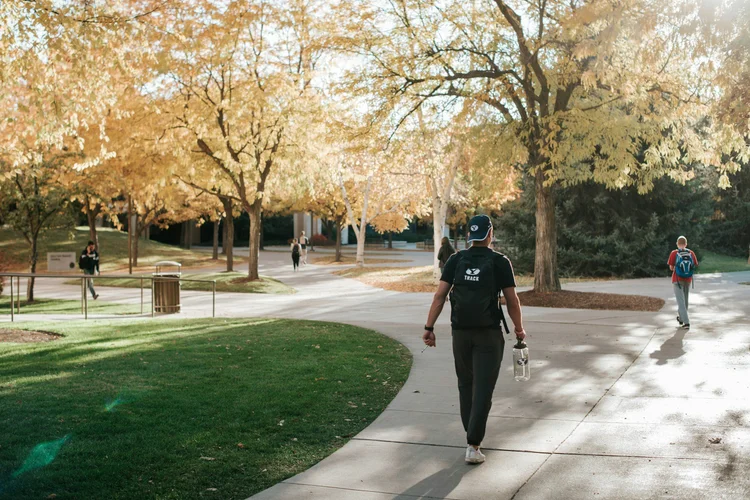
Going beyond the regular campus tours to see how schools support their students.
Families of high‑school juniors are heading out on college visit road trips, imagining the next chapter of their teens’ lives. For students with mental health or neurodevelopmental needs - such as anxiety, depression, ADHD, or autism spectrum disorder - these visits can bring excitement and significant worry.
Dr. Candida Fink emphasizes that while many colleges speak positively about supporting student mental health, the quality and accessibility of those supports vary widely. Understanding what a school truly offers can make a meaningful difference in a student’s success and wellbeing. Key PointsColleges are required to provide reasonable accommodations for students with mental health or neurodevelopmental disabilities. The availability and quality of supports - academic, residential, and clinical - differ dramatically from campus to campus. For some students, roommate living can be a major challenge that affects their ability to thrive.
What Dr. Fink Covers in Her ArticleCan my child get a 504 plan in college?Colleges don’t use the K-12 “504 plan” model, but they are required to provide accommodations through their disability services office. Understanding how each school handles documentation, communication, and implementation is essential. How do I find out what supports are available?Campus tours rarely reveal the full picture. Dr. Fink encourages all families to: Speak directly with disability services Ask specific questions about academic accommodations Learn how mental health crises are handled Explore residential life policies, including roommate flexibility
What about mental health supports like counseling?Counseling centers differ in: Wait times Session limits Availability of long‑term therapy Crisis response procedures Coordination with outside providers
A school’s commitment to accessible, well‑staffed mental health care can significantly shape a student’s transition to college life. Dr. Fink’s complete piece is available on Psychology Today:
Read the Full Article
|